Retail Banking - Account Summary and Internal Transfers
This month at The Back Office Club we will be working on a Retail Banking project with our members. In this project members will be doing the business analysis needed for working on a retail banking project with real world complexities.
Club members will not only get to work on the project from scratch but they will also be able to create the business analysis artefacts, learn to hold refinement sessions to discuss with the team, write the requirements and create the test plans. This is an exciting project that helps solidify your abilities as a professional Business Analyst.
Trustan Bank offers retail banking to their customers. Retail banking customers increasingly expect convenient, secure, and user-friendly digital platforms to manage their accounts. To meet this demand, Trustan Bank is launching a new Digital Banking Platform (DBP) that allows customers to view their account summary, monitor transactions, and perform payments.
This project is critical to enhancing customer experience, improving operational efficiency, and reducing reliance on physical branch visits.
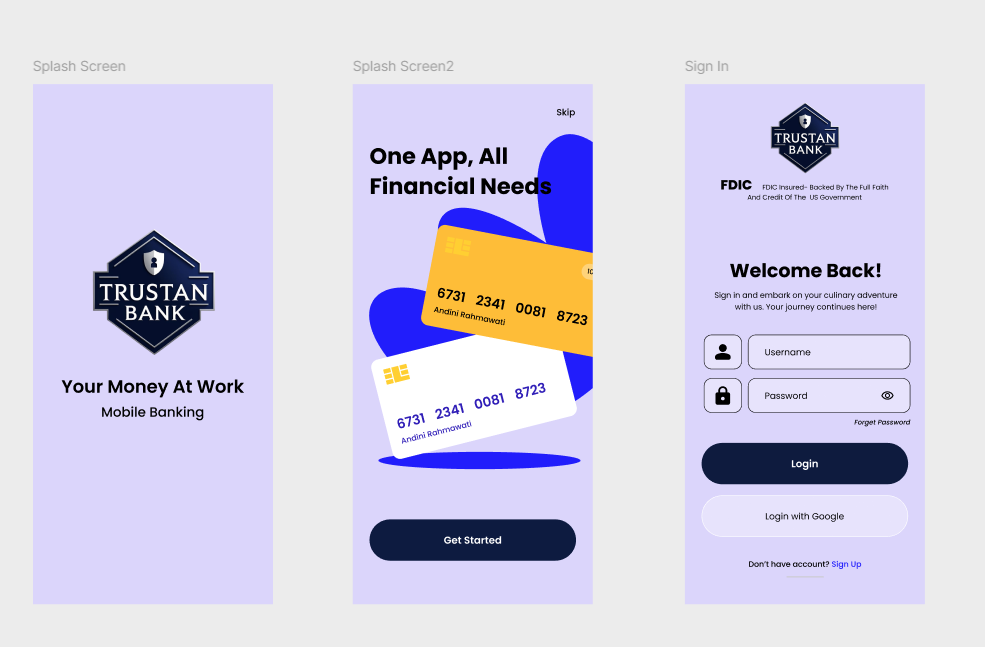
Landing pages & login
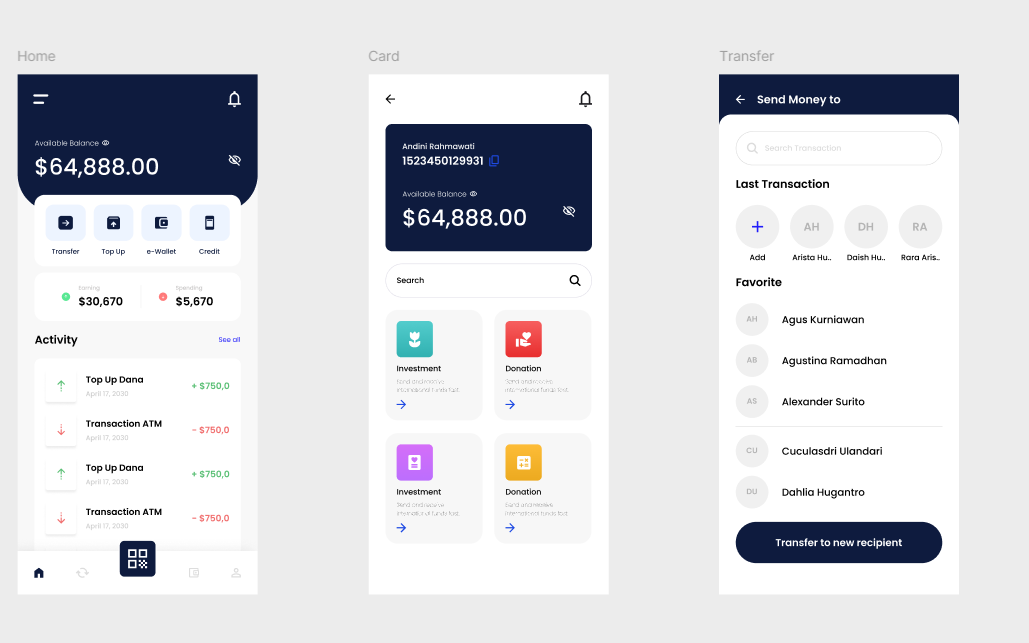
Account summary
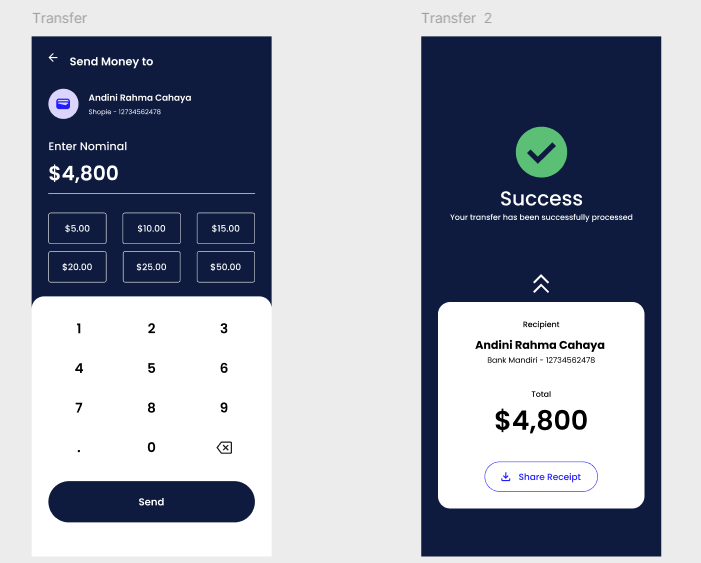
Transfers
Existing System
Today, there is a Digital Banking System already in place where users can see their account summary and do payments among other functions online. Trustan Bank is desirous to do an overhaul of this system in order to provide customers with a more modern experience on par with their competitors and improve the functionalities they offer to their customers.
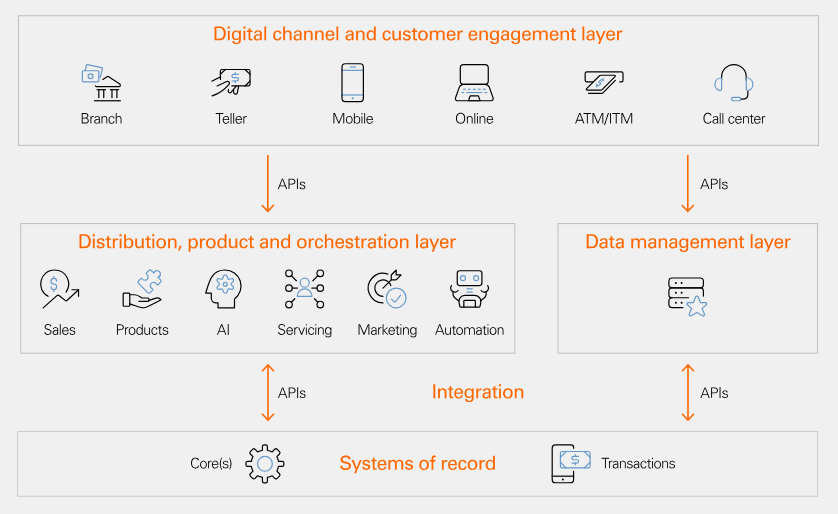
Currently the bank uses a propriety digital banking platform that connects to the core banking system Fiserv DNA via APIs. Below is the current architecture of the bank.
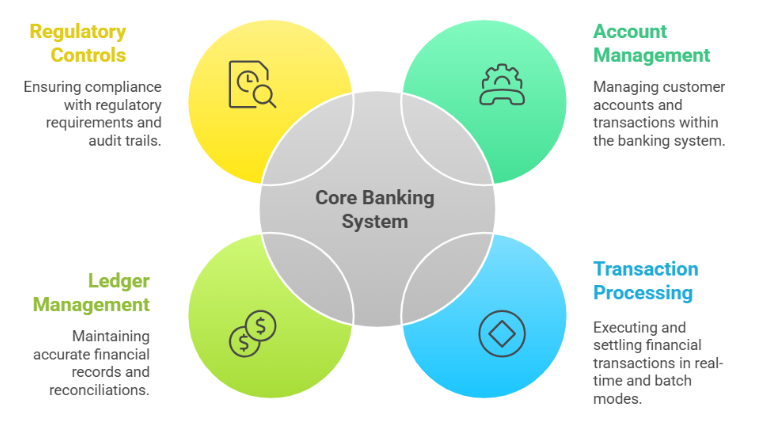
The core banking system Fiserv DNA, is the system of record for Trustan Bank. The diagram below explains functionalities of the core.
Project Objectives
Trustan Bank has initiated a new project to replace their existing Digital Banking system with a new platform from Q2 that will allow them to accelerate development by leveraging Q2’s base setup and build customizations to match any specific needs not covered out of the box.
Hybrid Approach
The project will have a phased approach, Trust bank will maintain their existing system and incrementally roll out new features from the new system as they become available. Initially the bank will run an instance of the existing system alongside them new system from Q2 until all the current functionalities are replaced by Q2. This will be accomplished seamlessly to the customer with a hybrid navigation so the customer will not be made aware that they are switching between systems.
Project Scope
The scope of MVP 1 for this project will include:
In Scope
Viewing list of accounts (deposit and loan accounts)
View transactions
View transaction details
Search transactions
Filter transactions
Create an internal transfer between accounts of same currency
Create a recurring transfer
Manage payments
Out of Scope
Authentication
Fraud prevention
Updating audit log
Cross-currency transfers (FX payments)
Investments accounts
Credit card accounts
Statements
System Architecture
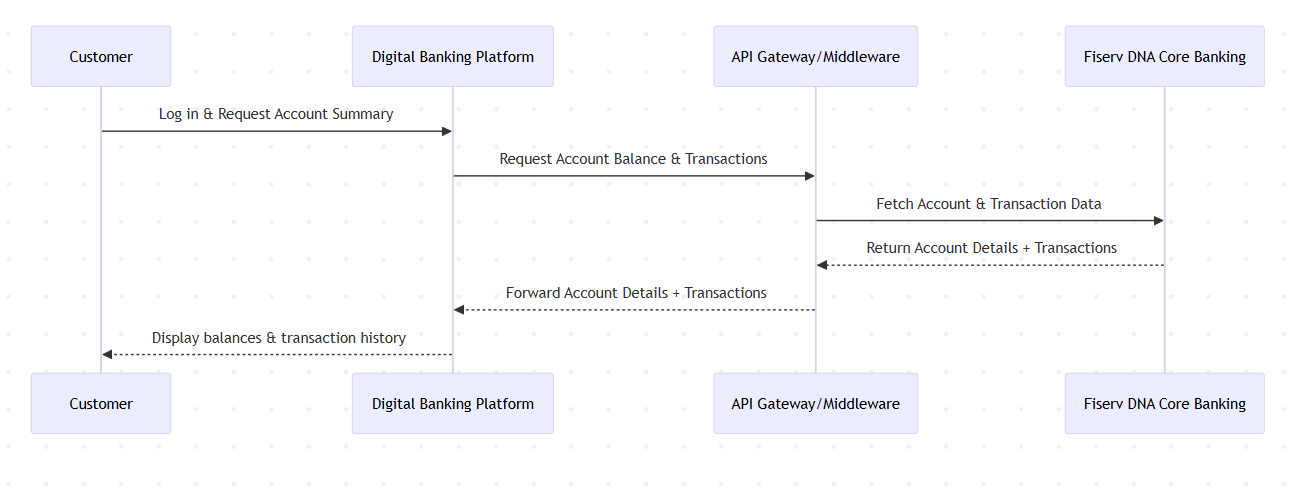
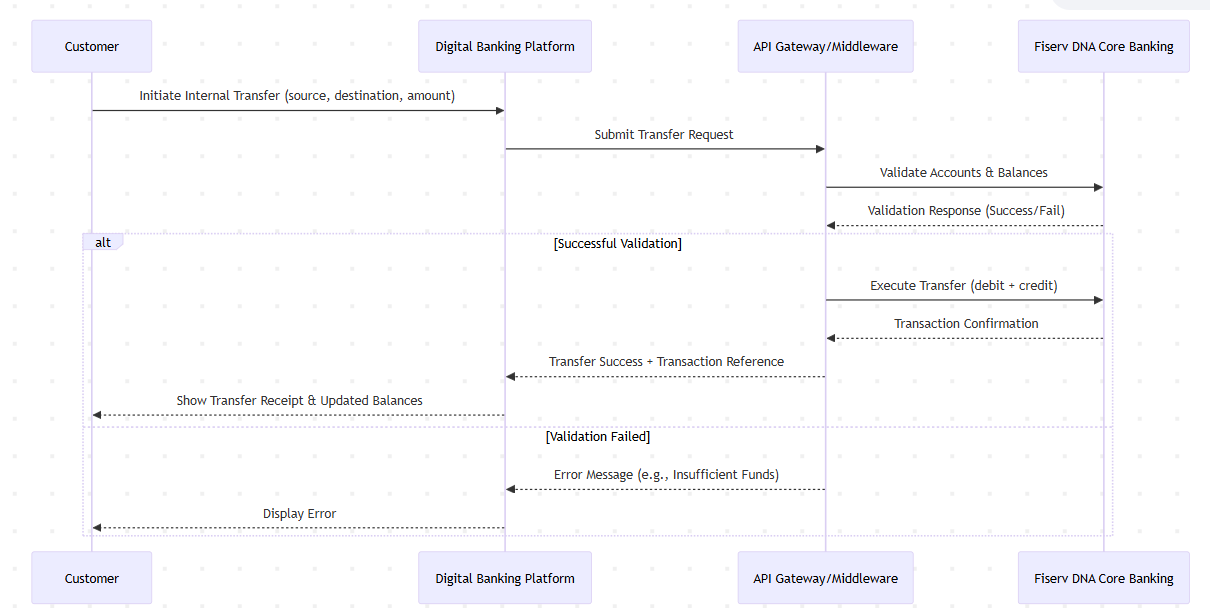
The new Digital Banking System will work as described in the following sequence diagram:
Account Summary Sequence Diagram
Internal Transfer Sequence Diagram
Understanding the Sequence Diagram
Customer Channels
Customers access the system via Web Banking or Mobile Banking Apps.
These connect to the Digital Banking Platform (DBP).
Digital Banking Platform (DBP)
Offers the user interface for account summary, transactions, and payments.
Manages banking services layer, which communicates with backend APIs.
API Gateway / Middleware
Acts as a secure bridge between the DBP and Fiserv DNA Core.
Handles API requests, orchestration, and data transformations.
Fiserv DNA Core Banking System
The system of record for customer accounts, balances, and transactions.
Processes payments (debit/credit updates) and maintains transaction history.
Provides APIs to fetch balances, validate transfers, and execute payments.
Payment Systems
Internal Transfers: Same-currency transfers between customer-owned accounts.
External Networks (future scope): ACH, Wire Transfers, Card Networks, etc.
Fiserv DNA interacts with these systems for settlement and clearing when external payments are involved.
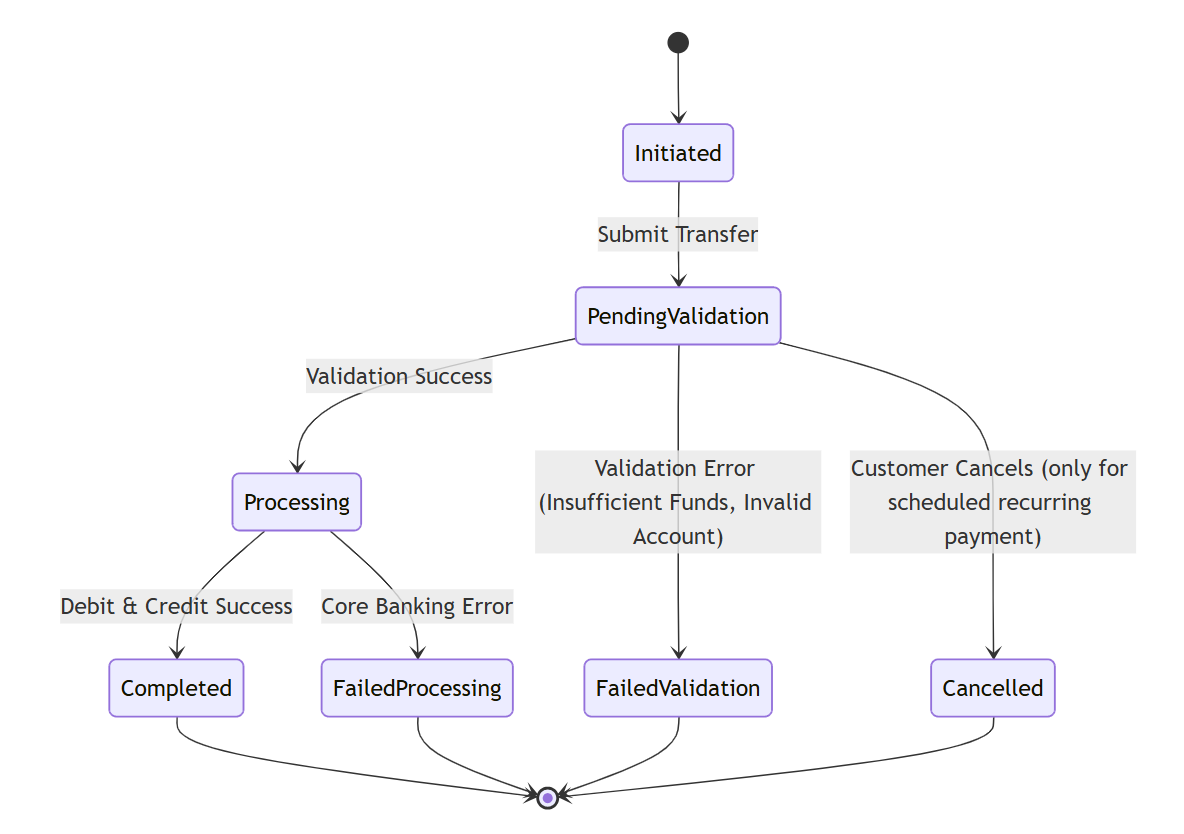
State Diagram
The following state diagram describes the states that a payment can be in.
Understanding the State Diagram
Initiated
The customer has created the transfer request in the digital banking app (entered source account, destination account, amount).
Pending Validation
The system is checking rules: same-currency, account ownership, sufficient funds, account status (active/not blocked).
Failed – Validation
Transfer cannot proceed because of issues such as insufficient funds, invalid account, or currency mismatch.
Processing
The request has passed validation and is being executed in the core banking system (debit + credit posting).
Completed
Transfer was successful. Balances updated, transaction reference generated, and receipt available to the customer.
Failed – Processing
The transfer failed during execution (e.g., technical error in core banking, posting failure).
Cancelled (Optional)
The customer cancels the transfer before it is processed (only possible if its a recurring payment and that payment is still scheduled and not yet executed)
The Ask
Do the business analysis required to get the features delivered for MVP 1.
Artefacts to be delivered include:
High Level Business Requirements Document (BRD)in Confluence
Detailed User Stories with Acceptance Criteria in Jira